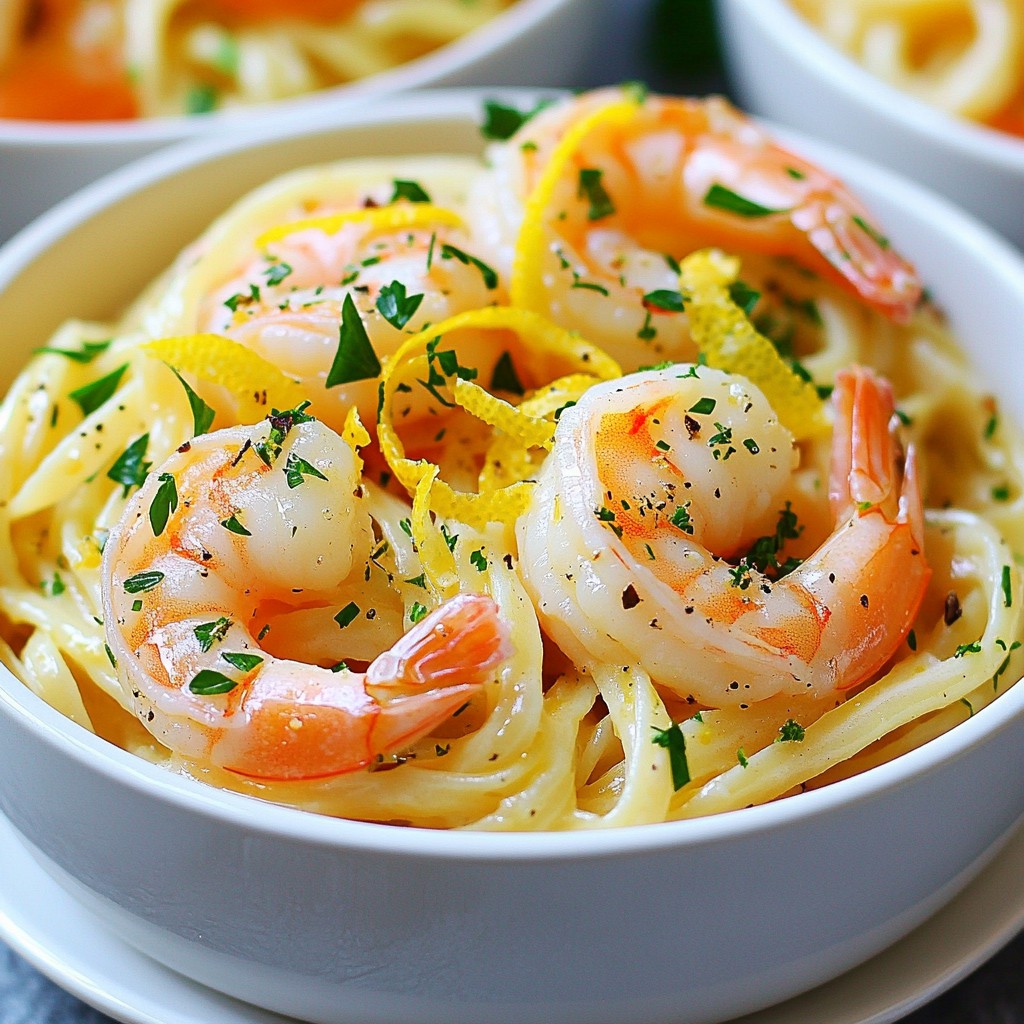
If you want a dish that’s both easy and packed with flavor, look no further! My Lemon Garlic Shrimp Pasta will be your new go-to. With a few simple ingredients and quick steps, you’ll create a meal that’s sure to impress. Join me as we dive into this delicious recipe, packed with zesty lemon, tender shrimp, and rich garlic. Ready to cook? Let’s get started!
Why I Love This Recipe
- Fresh and Flavorful: This dish combines the bright flavors of lemon and garlic, making it a refreshing meal that’s perfect for any occasion.
- Quick and Easy: With a total time of just 30 minutes, this recipe is perfect for busy weeknights when you want something delicious without a lot of fuss.
- Customizable: You can easily adjust the heat by adding more or less red pepper flakes, and substitute the shrimp with your favorite protein or vegetables for a different twist.
- Impressive Presentation: Serve it in wide bowls with a sprinkle of parsley and Parmesan, and it looks as wonderful as it tastes, making it perfect for entertaining.
Ingredients
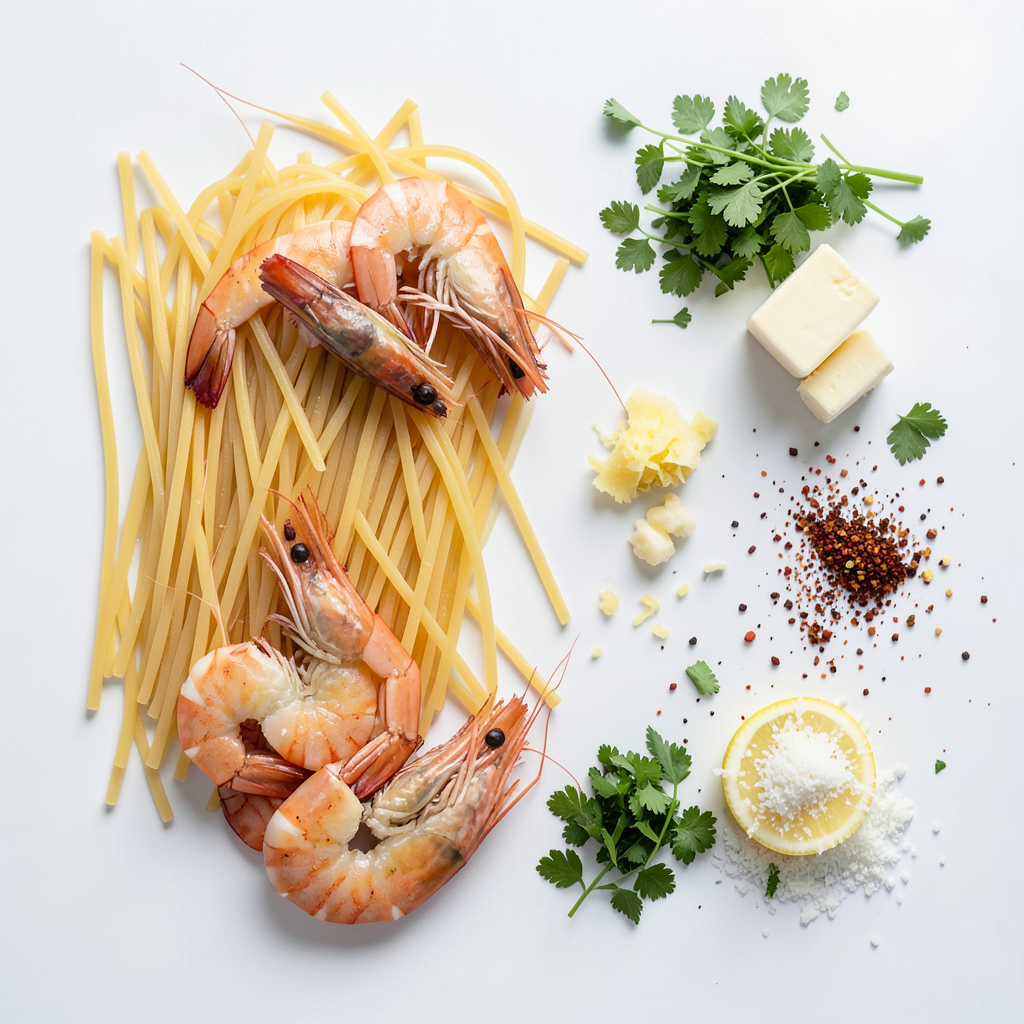
List of Ingredients
- 8 oz spaghetti or linguine
- 1 lb large shrimp, peeled and deveined
- 4 tablespoons unsalted butter, divided
- 4 cloves garlic, finely minced
- Zest of 1 lemon and juice from that lemon
- 1/4 teaspoon red pepper flakes (optional, for heat)
- Salt and freshly ground black pepper, to taste
- 1/4 cup fresh parsley, roughly chopped
- Grated Parmesan cheese, for serving
Measurements and Substitutions
You can use any pasta shape you like. Spaghetti and linguine work best, but penne or fettuccine is fine too. For shrimp, fresh is great, but frozen shrimp can work well too. Just thaw them before cooking. If you want to skip butter, try olive oil for a lighter dish. You can also add extra lemon juice for a tangy taste.
Essential Equipment Needed
You will need a large pot for boiling pasta. A large skillet is key for cooking the shrimp and sauce. Use a colander to drain the pasta. A sharp knife and cutting board help you chop garlic and parsley. Finally, have measuring spoons handy for precise ingredients.
Step-by-Step Instructions
Cooking the Pasta
Start by filling a large pot with water. Add salt to the water and bring it to a boil. Once boiling, add 8 oz of spaghetti or linguine. Cook it for about 8 to 10 minutes. You want the pasta to be al dente, which means it should still have a little bite. Before you drain the pasta, save about 1 cup of the starchy water. After that, drain the pasta and set it aside.
Sautéing the Shrimp
Next, take a large skillet and place it on medium heat. Add 2 tablespoons of unsalted butter and let it melt. Once it’s melted, add 1 pound of peeled and deveined shrimp. Season the shrimp with salt and freshly ground black pepper. If you like some heat, add 1/4 teaspoon of red pepper flakes. Cook the shrimp for about 2 to 3 minutes on each side until they turn pink and opaque. When done, take them out and set them aside on a plate.
Preparing the Garlic Sauce
In the same skillet, add the remaining 2 tablespoons of butter. Let it melt, then add 4 cloves of finely minced garlic. Sauté the garlic for about 1 minute. Stir constantly to avoid burning it. You want it fragrant but not brown.
Combining Ingredients
Now, add the zest and juice of 1 lemon to the skillet with the garlic. Stir everything well to mix. Then, return the sautéed shrimp to the skillet. Toss the shrimp around to coat them in the lemon garlic sauce.
Mixing with Pasta
Time to add the cooked pasta. Pour the drained spaghetti or linguine into the skillet. Gradually drizzle in some of the reserved pasta water. You want just enough to make a silky sauce that sticks to the pasta. Toss everything together until well mixed. Taste it and add more salt, pepper, or lemon juice if you want.
Garnishing and Serving
Once everything is nicely mixed, take the skillet off the heat. Stir in 1/4 cup of roughly chopped fresh parsley for color and taste. Serve the pasta hot in wide bowls and top it with grated Parmesan cheese. For an extra touch, add more parsley and a sprinkle of lemon zest on top. A lemon wedge on the side lets guests add more lemon juice if they like. Enjoy!
Tips & Tricks
How to Perfectly Cook Shrimp
To cook shrimp well, start with fresh, large shrimp. Heat a skillet over medium heat and melt butter. Once hot, add the shrimp in a single layer. Cook each side for 2-3 minutes until they turn pink and opaque. Avoid overcooking; shrimp can become rubbery. Remove them from the heat as soon as they are done. This keeps them tender and juicy.
Adjusting Spice Levels with Red Pepper Flakes
Red pepper flakes add heat to your dish. Start with a small pinch, about 1/4 teaspoon. If you like it spicy, add more. Mix it in when you season the shrimp. This way, the shrimp soak up the spice as they cook. Adjusting spice levels is easy. Just taste as you go, and you'll find the perfect balance.
Enhancing Flavor with Fresh Herbs
Fresh herbs bring bright flavors to your pasta. I love using parsley in this dish, as it adds freshness. Chop it roughly and stir it in at the end. You can also try basil or cilantro for a twist. Fresh herbs make your dish pop and add color. Don't skip this step; it makes a big difference.
Serving Suggestions and Side Dishes
For serving, I recommend using wide, shallow bowls. This lets the colors of the pasta shine. You can add a sprinkle of lemon zest and extra parsley on top for flair. Serve with a lemon wedge on the side for extra zest. Consider pairing it with a light salad or garlic bread. This meal is light yet filling, making it great for any occasion.
Pro Tips
- Use Fresh Shrimp: For the best flavor and texture, choose fresh or high-quality frozen shrimp. Look for shrimp that are firm, moist, and have a mild ocean scent.
- Adjust Lemon to Taste: Depending on your preference for acidity, feel free to adjust the amount of lemon juice added. Start with less and add more to taste for a balanced flavor.
- Reserve Pasta Water: Always reserve some pasta cooking water before draining. This starchy water is perfect for adjusting the sauce's consistency and helps it adhere to the pasta.
- Serve Immediately: This dish is best enjoyed fresh. Serve it immediately after mixing to ensure the pasta remains al dente and the flavors are at their peak.
Variations
Adding Vegetables (Spinach, Asparagus, etc.)
You can easily add vegetables to your lemon garlic shrimp pasta. Spinach is a great choice. It wilts down quickly and adds color. Asparagus is another good option. Just cut it into bite-sized pieces and sauté it with the shrimp. Other vegetables like cherry tomatoes or bell peppers work well too. Adding veggies boosts the dish's nutrition and flavor.
Alternative Pasta Options
If you want to switch things up, try different pasta types. Whole wheat spaghetti or linguine provides extra fiber. Gluten-free pasta is an option for those with dietary needs. You can even use zucchini noodles for a low-carb meal. Each pasta will have its own texture, but they all pair well with the lemon garlic sauce.
Different Protein Substitutes (Chicken, Tofu)
Not in the mood for shrimp? No problem! You can use chicken breast cut into pieces. Cook it just like the shrimp until it’s golden and cooked through. Tofu is also a great vegetarian option. Press it to remove excess water, then cube it. Sauté it until crispy for a delightful texture. Both alternatives still soak up the lovely lemon garlic sauce.
Storage Info
How to Store Leftovers
To store leftover Lemon Garlic Shrimp Pasta, let it cool first. Place it in an airtight container. Make sure to seal it tightly. You can keep it in the fridge for up to three days. If you plan to enjoy it later, avoid adding the Parmesan cheese until you are ready to serve.
Reheating Instructions
When you’re ready to eat, take the pasta out of the fridge. You can reheat it in the microwave or on the stove. If using the microwave, cover the bowl with a lid. Heat in short bursts, stirring in between. If you use the stove, add a splash of water or olive oil to keep it moist. Heat it over low heat, stirring gently until it warms up.
Freezing and Thawing Tips
You can freeze Lemon Garlic Shrimp Pasta if you want to save it for later. Place the cooled pasta in a freezer-safe container. It can last up to three months in the freezer. To thaw, move it to the fridge overnight. Reheat it gently as mentioned above. If the sauce looks dry, add a little water or broth while reheating.
FAQs
Can I use frozen shrimp?
Yes, you can use frozen shrimp. Just make sure to thaw them first. You can thaw shrimp by placing them in a bowl of cold water for about 15 minutes. Once thawed, peel and devein them if needed. This gives you a quick way to enjoy this dish without losing flavor.
How do I make it gluten-free?
To make lemon garlic shrimp pasta gluten-free, simply swap out regular pasta for gluten-free pasta. Many brands offer great options made from rice, quinoa, or chickpeas. Just cook it according to the package instructions. You will still enjoy the same great taste!
What can I substitute for Parmesan cheese?
If you need a substitute for Parmesan cheese, consider using nutritional yeast for a nutty flavor. Grated pecorino or Romano cheese works well too. You can also try a dairy-free cheese if you want a vegan option. Each choice adds a unique touch to your dish.
How long will leftovers last?
Leftovers will last for about 3 days in the fridge. Store them in an airtight container to keep them fresh. If you want to enjoy them longer, consider freezing the pasta. When ready to eat, just thaw and reheat gently.
Tips for making the dish ahead of time?
To make this dish ahead of time, cook the pasta and shrimp separately. Store them in the fridge. When ready to serve, just combine them with the garlic sauce. This keeps everything fresh and tasty. You can also prep the garlic and lemon ahead to save time!
This article showed you how to make a tasty shrimp pasta dish. We covered the key ingredients, step-by-step cooking methods, and some handy tips. You learned about variations to mix it up and storage tips for leftovers.
In conclusion, this meal is easy and fun to make. With a few simple changes, you can adapt it to suit anyone's taste. Enjoy cooking and sharing this delightful dish!