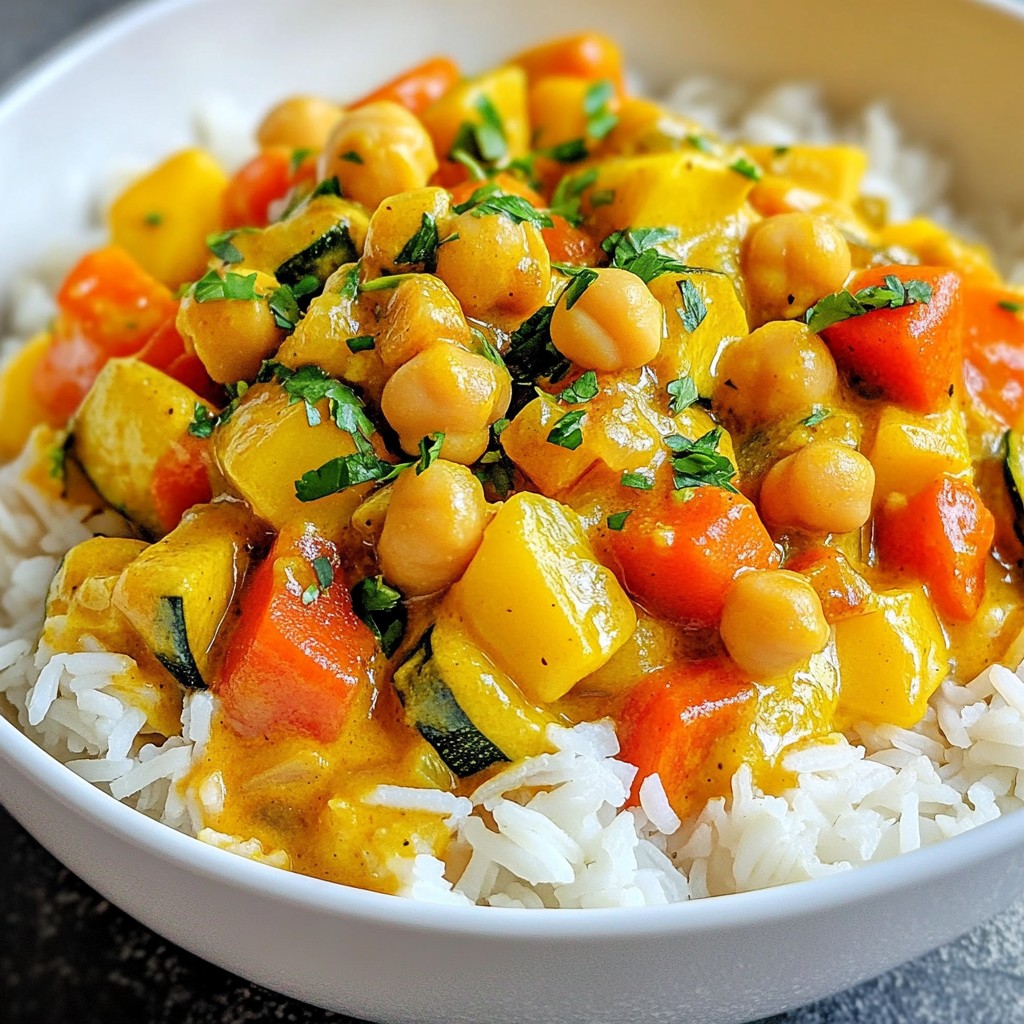
Looking for a meal that’s both budget-friendly and bursting with flavor? You’re in the right place! This Affordable Chickpea and Vegetable Curry Delight is simple to make and perfect for any night of the week. With just a handful of easy ingredients, you’ll whip up a wholesome dish that satisfies your taste buds and wallet. Let’s dive into the details and get cooking!
Why I Love This Recipe
- Budget-Friendly: This chickpea and vegetable curry is not only delicious but also easy on the wallet, making it perfect for family meals or weeknight dinners.
- Nutritious Ingredients: Packed with vitamins and minerals from fresh vegetables and protein-rich chickpeas, this dish is a wholesome choice for a balanced diet.
- Quick and Easy: With a total cooking time of only 30 minutes, this recipe is perfect for those busy days when you want a homemade meal without the hassle.
- Customizable: This curry can easily be adapted to include your favorite vegetables or spices, allowing you to create a dish that suits your taste preferences.
Ingredients
Main Ingredients
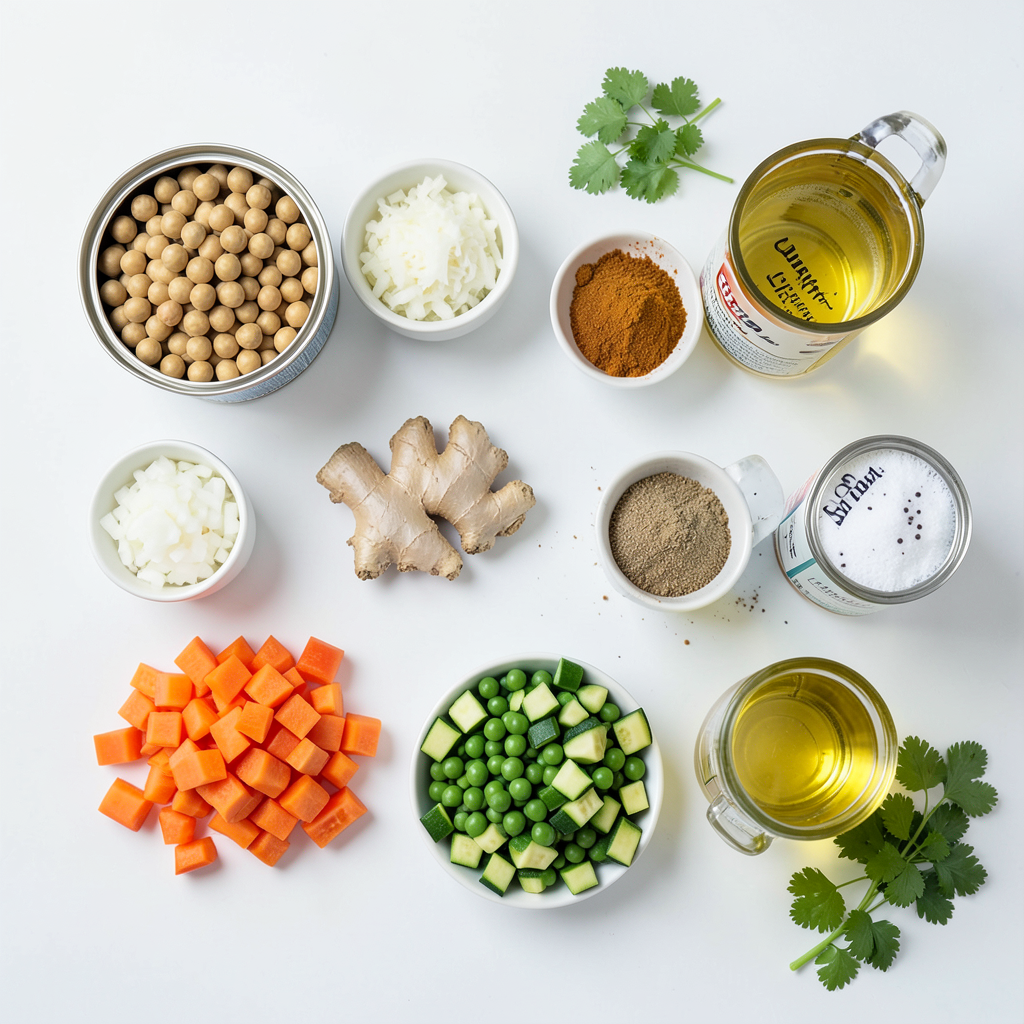
- 2 cans chickpeas
- Fresh vegetables: onion, garlic, ginger, carrots, bell pepper, zucchini
- Frozen peas and coconut milk
The main ingredients create a hearty base for this curry. Chickpeas offer protein and fiber, making the dish filling. I use fresh vegetables like onion, garlic, and ginger to add flavor. Carrots and bell pepper bring sweetness, while zucchini adds a lovely texture. The frozen peas offer a pop of color and nutrients. Coconut milk adds creaminess, balancing the spices.
Spices and Seasoning
- Curry powder, ground cumin, ground turmeric
- Salt and pepper, to taste
Spices transform simple ingredients into a flavorful dish. I choose curry powder for warmth and depth. Ground cumin adds an earthy taste. Ground turmeric gives a bright color and health benefits. I always adjust salt and pepper to taste, enhancing the overall flavor.
Serving Ingredients
- Cooked rice or naan
- Fresh cilantro for garnish
I serve this curry with fluffy rice or warm naan. Both options soak up the sauce well. Fresh cilantro adds a burst of freshness as a garnish. It makes the dish look and taste even better.
Step-by-Step Instructions
Preparing the Vegetables
Start by warming vegetable oil in a large pot over medium heat. Once the oil shimmers, add the diced onion. Sauté the onion for about five minutes. You want it to be soft and translucent. Next, stir in the minced garlic and grated ginger. Cook this mixture for one to two minutes. You will smell a lovely aroma as the garlic and ginger cook.
Now, sprinkle in the curry powder, ground cumin, and ground turmeric. Stir well to coat the onions with the spices. This step helps release the flavors. Cook the spices for about one minute until fragrant.
Combining Ingredients
Now it's time to add more veggies! Toss in the diced carrots and bell pepper. Let them cook for five minutes until they start to soften. Next, add the drained and rinsed chickpeas and diced zucchini. Stir everything well to combine.
Pour in the creamy coconut milk. Mix it all together and bring the mixture to a gentle simmer. Lower the heat and let the curry cook for 15 to 20 minutes. You want the veggies to become tender, which adds to the dish's heartiness.
Final Cooking Steps
In the last five minutes of cooking, fold in the frozen peas. Stir them in gently. Season the curry with salt and pepper to your taste. Once it's done, remove the pot from heat. Scatter freshly chopped cilantro on top for a bright finish. Your affordable chickpea and vegetable curry is now ready to enjoy!
Tips & Tricks
Enhancing Flavor
To make your chickpea and vegetable curry even better, try adding some extra spices. A pinch of red pepper flakes adds heat. A dash of smoked paprika gives a nice smoky taste. You can also add fresh herbs like basil or mint for a fresh twist.
For added nutrition, try mixing in some leafy greens. Spinach or kale works great and adds color. These greens cook quickly and add vitamins to your meal.
Cooking Method Tips
Adjust the cooking time based on how you like your veggies. If you prefer them soft, let the curry simmer a bit longer. For a crunchier texture, reduce the cooking time.
To get the perfect curry consistency, add more coconut milk for a creamier dish. If it’s too thick, add a splash of water or broth. Stir well and let it simmer until just right.
Presentation Ideas
When serving, ladle the curry over fluffy rice for a colorful dish. You can also serve it with warm naan on the side. This makes for a great meal that looks appealing.
For garnishing, sprinkle chopped cilantro on top. You can also add a few lime wedges for a zesty touch. This not only makes your dish look great but adds flavor too. Enjoy your curry delight!
Pro Tips
- Use Fresh Spices: Fresh spices can significantly enhance the flavor of your curry. Consider using whole spices and grinding them just before cooking for a more intense aroma.
- Adjusting Spice Levels: If you prefer a milder curry, reduce the amount of curry powder or add a splash of coconut milk. For a spicier kick, add a pinch of cayenne pepper or fresh chili.
- Mix Up the Veggies: Feel free to substitute or add other vegetables like spinach, sweet potatoes, or cauliflower based on your preference or what's in season.
- Make It Ahead: This curry tastes even better the next day! Store leftovers in the fridge and reheat for a quick meal. It also freezes well for future meals.
Variations
Ingredient Substitutions
If you want to change things up, try using lentils instead of chickpeas. Lentils cook faster and can add a nice texture. You can also swap in seasonal vegetables. Try sweet potatoes in the fall or asparagus in spring. These swaps keep the curry fresh and exciting.
Spice Variations
You can adjust the spice level to fit your taste. For a milder dish, use less curry powder. If you love heat, add a pinch of cayenne or red pepper flakes. You can also explore different curry powders or pastes. Each one has a unique flavor, from sweet to smoky.
Dietary Adjustments
This curry is naturally vegan and can be gluten-free. Just check the curry powder label for any hidden gluten. If you want to lower sodium, use low-sodium coconut milk and limit added salt. This way, you keep the flavor while making it healthier.
Storage Info
Storing Leftovers
To keep your curry fresh, follow these tips:
- Refrigeration: Let the curry cool down first. Then, place it in an airtight container. Store it in the fridge for up to 4 days.
- Freezing: For long-term storage, use a freezer-safe container. Divide the curry into portions. This makes it easy to thaw what you need later. It can last in the freezer for up to 3 months.
Reheating Instructions
When you're ready to enjoy your leftovers, here are some methods:
- Stovetop: Pour the curry into a pot. Heat over medium-low heat, stirring often. This helps keep the flavors alive.
- Microwave: Place the curry in a microwave-safe bowl. Heat in short bursts, stirring in between. This prevents hot spots.
For best results, use containers that are safe for both the fridge and freezer. Glass or BPA-free plastic works well.
Shelf Life
Wondering how long your curry will last?
- In the fridge: You can safely eat it for about 4 days.
- In the freezer: It stays good for about 3 months.
Keep an eye out for signs of spoilage, like off smells or changes in color. If you see any mold, it’s best to throw it away.
FAQs
How can I make this curry spicier?
To add spice to your curry, try these tips:
- Add more curry powder or a pinch of cayenne pepper.
- Use fresh chili peppers, diced small.
- Try chili flakes for a quick boost.
- Add a touch of hot sauce for more heat.
Start with small amounts. You can always add more, but you can't take it out. Balance the heat with the sweet coconut milk to keep flavors bright.
Can I prepare this curry in advance?
Yes, you can make this curry ahead of time. Here are some tips:
- Cook the curry and let it cool.
- Store in an airtight container in the fridge for up to four days.
- Reheat in a pot over low heat, stirring often.
For meal prep, you can portion it into single servings. This makes it easy to grab and heat when you need a quick meal.
What can I serve with chickpea curry?
Pair your chickpea curry with these tasty side dishes:
- Fluffy rice, like basmati or jasmine, soaks up the sauce well.
- Warm naan adds a nice touch.
- A fresh salad with cucumbers and tomatoes can balance the meal.
- Yogurt or raita cools the spice and adds creaminess.
These sides will enhance the meal and make it even more enjoyable!
This article covered how to make a delicious chickpea curry. We discussed key ingredients, from chickpeas to fresh veggies. I shared step-by-step instructions to guide your cooking. We explored tips for enhancing flavor and presentation. Variations help personalize the dish to your taste.
Now, you can enjoy making this easy, healthy meal. Experiment with spices and ingredients to find your favorite. Happy cooking!