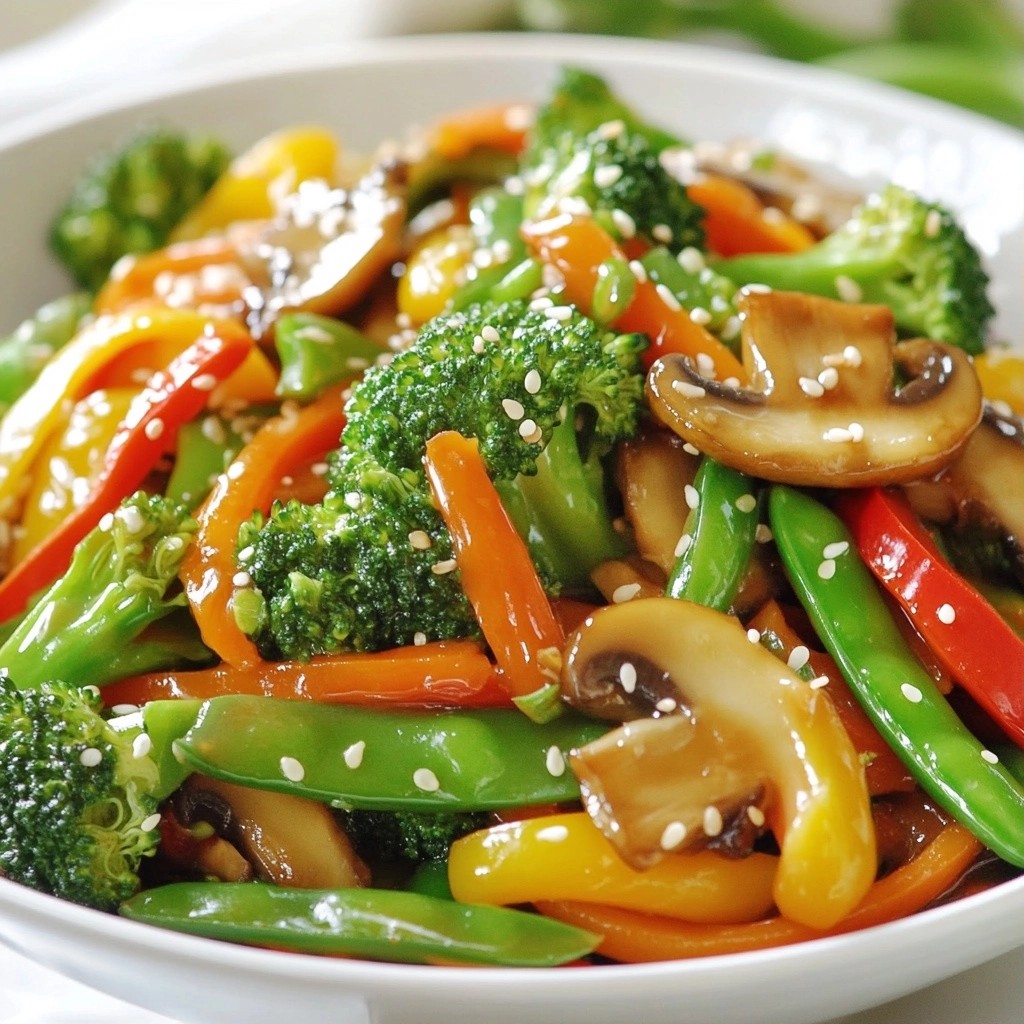

Looking for a meal that's easy on your wallet and big on flavor? This Affordable Chickpea and Vegetable Curry Recipe Delight is the answer! Packed with healthy veggies and chickpeas, it’s a dish that will satisfy your cravings without breaking the bank. Stick around as I share simple steps, budget tips, and fun variations to make this curry your new go-to. Let’s get cooking and enjoy every hearty bite!
Why I Love This Recipe
- Healthy & Nutritious: This curry is packed with vegetables and chickpeas, offering a great source of protein, fiber, and essential vitamins.
- Easy to Make: With simple prep and straightforward steps, this recipe is perfect for busy weeknights or when you want a quick meal.
- Flavorful & Satisfying: The combination of spices and creamy coconut milk creates a rich, comforting dish that delights the palate.
- Customizable: You can easily adjust the vegetables or spice levels to suit your taste preferences, making it a versatile recipe.
Ingredients
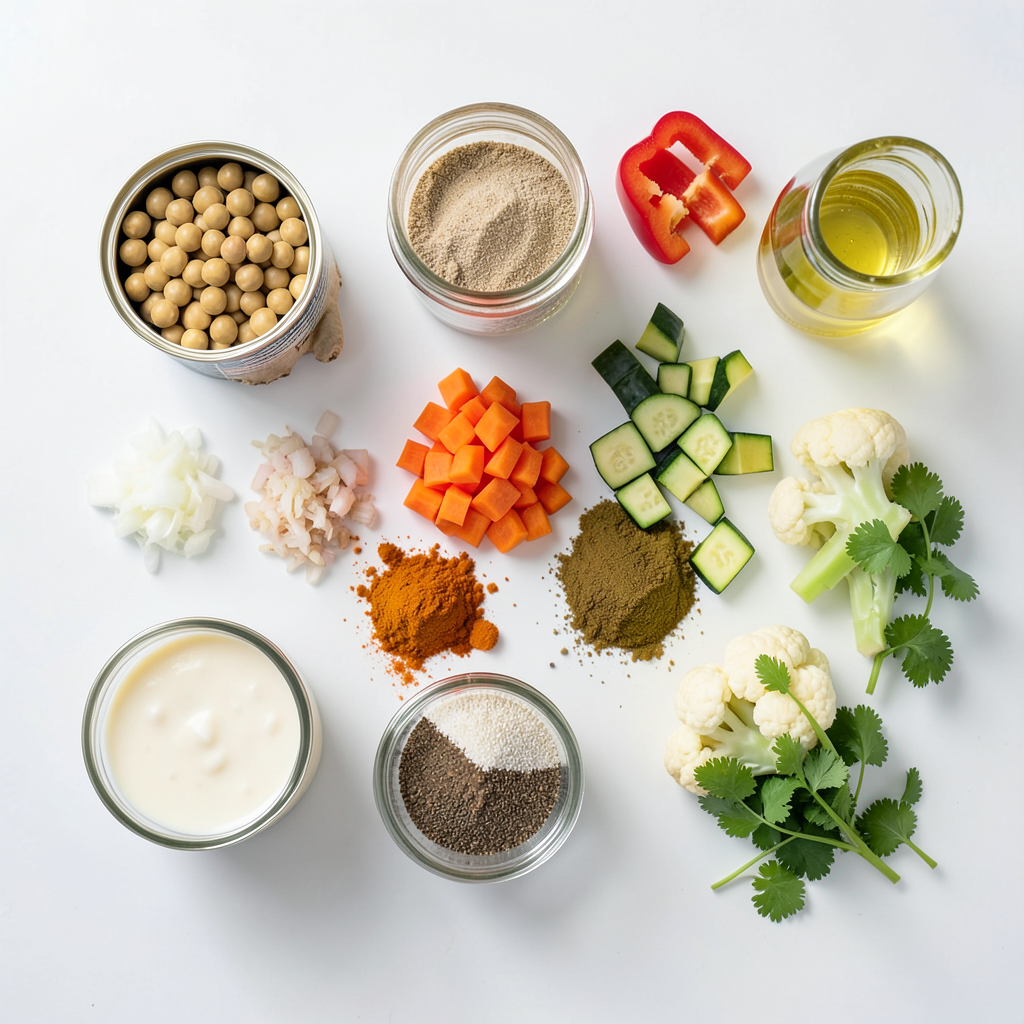
List of Ingredients
- 1 can (15 oz) chickpeas, drained and rinsed
- 1 medium onion, diced
- 2 cloves garlic, minced
- 1 tablespoon fresh ginger, grated
- 1 medium carrot, diced
- 1 medium zucchini, diced
- 1 red bell pepper, diced
- 1 cup cauliflower florets
- 1 can (14 oz) coconut milk
- 1 tablespoon curry powder
- 1 teaspoon cumin
- 1 teaspoon turmeric
- 1/2 teaspoon chili powder (optional)
- Salt and pepper to taste
- 2 tablespoons vegetable oil
- Fresh cilantro, for garnish
Substitutions for Allergies
If you have allergies, there are easy swaps. You can use broth instead of coconut milk. For those with nut allergies, this is a perfect choice. If you can't have chickpeas, try lentils or beans. They will add protein and texture. If you are allergic to garlic, skip it or use garlic powder instead.
Budget-Friendly Tips for Ingredients
To save money, buy in bulk. Dried chickpeas cost less than canned ones. You can cook them in advance using a pressure cooker. Frozen vegetables are often cheaper than fresh ones. They are just as good and last longer. Check local farmers' markets for fresh produce at lower prices. Always buy what’s in season for better deals.
Step-by-Step Instructions
Preparation of Vegetables
Start by washing all the vegetables. This step is key for clean cooking. Dice the onion, garlic, and ginger. Chop the carrot, zucchini, red bell pepper, and cauliflower too. This prep makes cooking quick and easy.
Cooking the Base
In a large pot, heat the vegetable oil over medium heat. When the oil is hot, add the diced onion. Sauté for 2-3 minutes until the onion is soft and clear. This brings out the onion's sweet flavor. Next, add the minced garlic and grated ginger. Stir for about one minute. You will love the aromas that fill your kitchen.
Combining Ingredients
Now, it's time to add the spices. Sprinkle in the curry powder, cumin, turmeric, and optional chili powder. Stir for 30 seconds to toast the spices. This helps release their bold flavors. Add the chopped carrot, zucchini, red bell pepper, and cauliflower. Mix well so all the veggies are coated in spices.
Gently fold in the rinsed chickpeas and pour in the coconut milk. Stir until everything is combined. Bring the mixture to a gentle simmer. Cover the pot, lower the heat, and let it cook for 15-20 minutes. This lets the veggies soften and the flavors meld. Stir occasionally to keep things from sticking.
Once the vegetables are tender, taste your curry. Adjust the salt and pepper to your liking. If you want heat, add more chili powder. When ready, serve the curry in bowls and top with fresh cilantro. Enjoy!
Tips & Tricks
Enhancing Flavor Profiles
To boost the flavor of your curry, try a few simple tricks. Add a squeeze of fresh lime juice for brightness. You can also toss in a handful of fresh spinach or kale right before serving. This adds color and nutrition. For extra depth, consider adding a dash of soy sauce or tamari. This saltiness balances the sweetness of the coconut milk.
Cooking Time Adjustments
If you like your veggies a bit firmer, reduce the simmering time to about 10-15 minutes. This keeps them crunchy and vibrant. On the other hand, for a creamier curry, let it simmer a bit longer, up to 25 minutes. Just check to make sure the veggies don’t turn mushy.
Serving Suggestions
Serve your curry with warm naan or fluffy jasmine rice for a complete meal. You can also pair it with a fresh salad for a nice crunch. Top each bowl with chopped cilantro to brighten the dish. For a fun twist, try adding some avocado slices or a dollop of yogurt on top.
Pro Tips
- Chop Uniformly: Ensure all vegetables are chopped to similar sizes for even cooking. This helps in achieving the right texture and prevents some pieces from becoming overcooked while others remain crunchy.
- Adjust Spice Levels: If you prefer a milder curry, start with half the amount of chili powder and adjust to taste as the dish simmers. It's easier to add more spice than to tone it down!
- Substitute Coconut Milk: For a lighter version, use light coconut milk or vegetable broth. This will reduce the richness while still maintaining a delicious flavor profile.
- Make It Ahead: This curry tastes even better the next day! Make it in advance and store it in the refrigerator, allowing the flavors to meld together beautifully. Just reheat before serving.
Variations
Protein Alternatives (e.g., Chicken, Tofu)
You can switch chickpeas for other proteins. Chicken adds a rich flavor. Use about one pound of diced chicken breast. Cook it until golden before adding veggies. Tofu is a great choice for a plant-based meal. Press and cube firm tofu, then sauté until crispy. Both options give you a hearty dish.
Spice Level Adjustments
Want more heat? Add extra chili powder or fresh chili peppers. For a milder dish, skip the chili powder. You can also use sweet paprika instead for flavor without heat. Taste as you go, and adjust to your preference.
Vegetable Substitutions
Feel free to mix up your veggies! Broccoli, green beans, or peas work well in this curry. If you have leftover veggies, toss them in. Just ensure they cook through. Use seasonal vegetables to keep costs down and flavors fresh. Each mix will give your curry a unique twist!
Storage Info
Refrigeration Guidelines
Store your chickpea and vegetable curry in an airtight container. This helps keep it fresh. It will last for about 3 to 5 days in the fridge. Before serving, check for any signs of spoilage. If it smells off or looks strange, it’s best to toss it.
Freezing Tips
You can freeze the curry for longer storage. Use a freezer-safe container or bag. Make sure to leave some space for the curry to expand. It can stay frozen for up to three months. To thaw, place it in the fridge overnight before reheating.
Reheating Instructions
Reheat your curry on the stove for the best results. Pour it into a pot and warm over low heat. Stir often to prevent sticking. You can also microwave it in a bowl. Heat in short bursts to ensure even warming. Always check the temperature before serving. Enjoy it hot!
FAQs
Can I use dry chickpeas instead of canned?
Yes, you can use dry chickpeas. You must soak them overnight first. After soaking, cook them until they are soft. This process takes longer but adds great texture. Just remember to adjust your cooking time. You may need to add extra water during cooking.
How can I make this recipe vegan?
This recipe is already vegan, as it uses coconut milk. There are no animal products. Ensure that all spices and oils are also plant-based. You can also add tofu or tempeh for extra protein if you like.
What dishes pair well with Chickpea and Vegetable Curry?
Chickpea and vegetable curry goes well with many sides. Here are some great options:
- Steamed jasmine rice
- Warm naan bread
- Quinoa for a protein boost
- A fresh cucumber salad for crunch
These sides add more flavor and texture to your meal. Enjoy exploring different combinations!
This blog post covered everything you need for a great Chickpea and Vegetable Curry. We detailed the ingredients, offered substitutions for allergies, and provided budget-friendly tips. I shared step-by-step instructions, tips for enhancing flavors, and variations to suit your taste. You also learned how to store and reheat leftovers safely.
Cooking should be fun and creative. Don’t hesitate to experiment with different ingredients! Enjoy your cooking journey and nourish yourself and loved ones with this delicious dish.