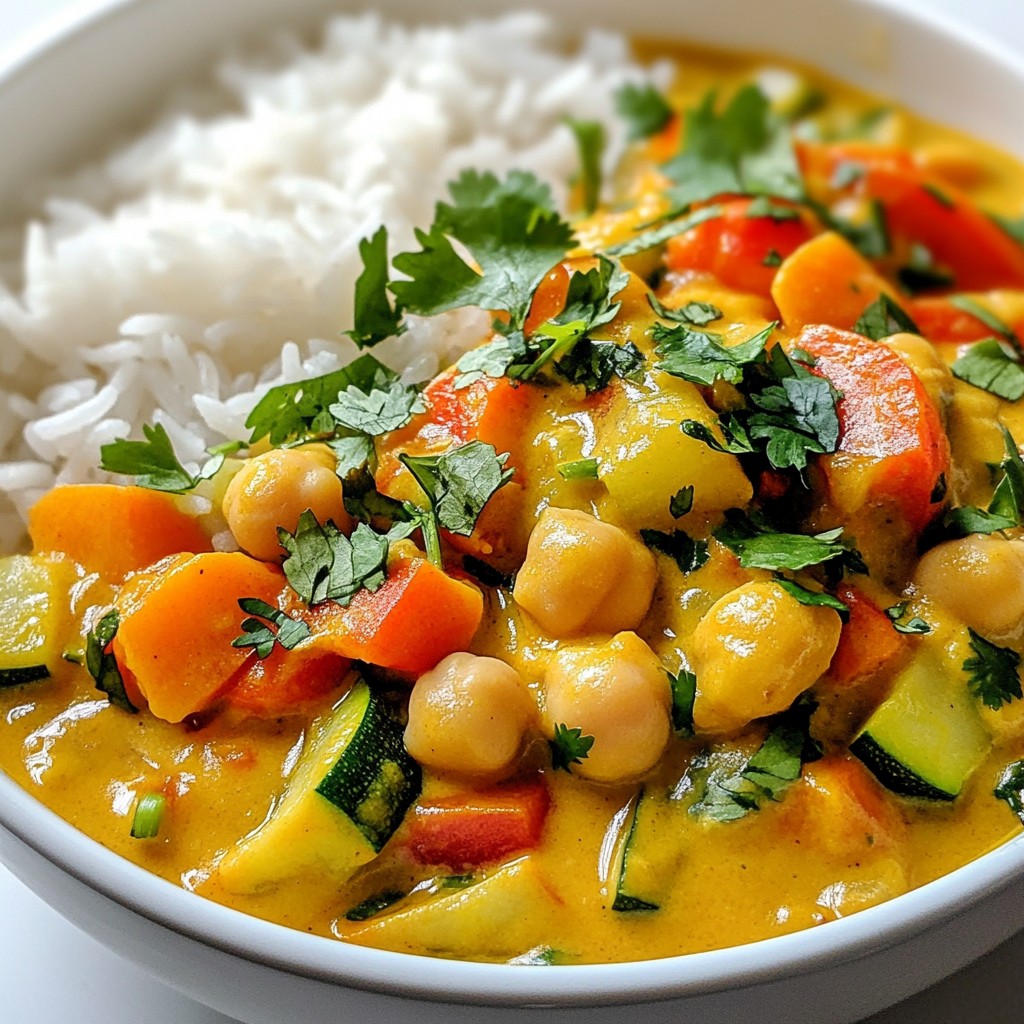
Looking for a delicious and affordable meal? This Chickpea and Vegetable Curry is your answer! Packed with flavor, it's easy on your wallet and great for any night. In this guide, I'll share the simple steps, fresh ingredients, and handy tips to make the perfect curry. Whether you're a busy parent or a student, this dish will satisfy your hunger and delight your taste buds. Let's get cooking!
Why I Love This Recipe
- Affordability: This chickpea and vegetable curry is budget-friendly, making it easy to enjoy delicious meals without breaking the bank.
- Health Benefits: Packed with nutritious ingredients, this dish is rich in fiber and protein, supporting a healthy diet.
- Easy Preparation: With simple steps and minimal cooking time, this recipe is perfect for busy weeknights or meal prep.
- Flavorful Experience: The combination of spices and coconut milk creates a rich, comforting flavor that is sure to please everyone.
Ingredients
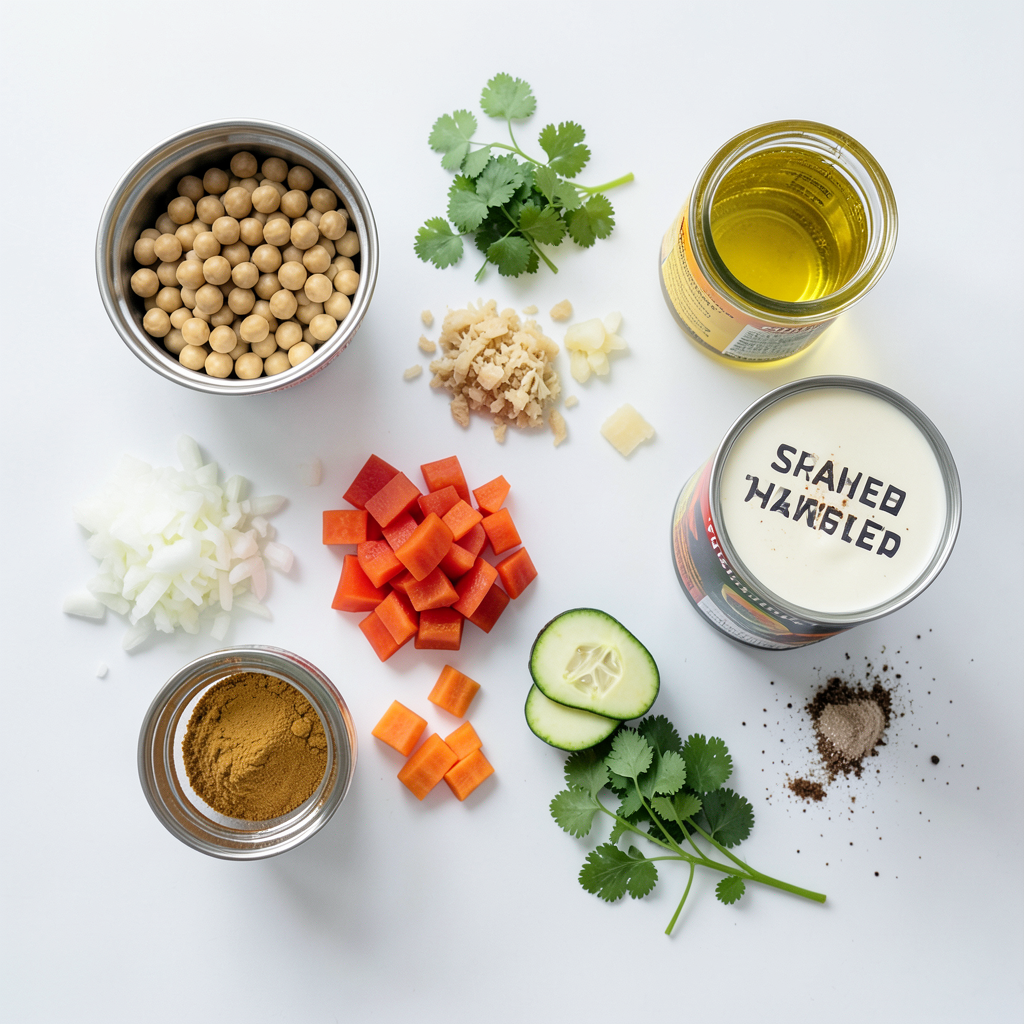
List of Ingredients
- 2 cans (15 ounces each) chickpeas, drained and rinsed
- 1 large onion, finely chopped
- 2 cloves garlic, minced
- 1 inch fresh ginger, grated
- 1 red bell pepper, diced
- 1 medium carrot, sliced into thin coins
- 1 medium zucchini, diced
- 1 can (13.5 ounces) coconut milk
- 2 tablespoons curry powder
- 1 teaspoon ground turmeric
- 1 teaspoon ground cumin
- 2 tablespoons vegetable oil
- Salt and freshly ground black pepper to taste
- Fresh cilantro leaves, chopped, for garnish
- Cooked rice or quinoa for serving
Ingredient Substitutions
You can swap chickpeas for lentils or black beans. Use any onion you have on hand. If you lack fresh ginger, ground ginger works too. Any bell pepper can replace the red one. Feel free to use frozen veggies if fresh ones are not available. Coconut milk can be swapped with almond or soy milk for a lighter option. Lastly, adjust spices to fit your taste; curry powder can be switched with garam masala.
Tips for Choosing Fresh Vegetables
When selecting vegetables, look for bright colors and firm textures. Choose onions that feel heavy for their size. For bell peppers, avoid any that have wrinkled skin. Select carrots that are smooth and firm. Zucchini should have a shiny skin with no soft spots. Fresh herbs should smell strong and vibrant. Always check the sell-by date on canned goods to ensure freshness.
Step-by-Step Instructions
Preparation Steps
1. Gather all your ingredients. You will need chickpeas, onion, garlic, ginger, red bell pepper, carrot, zucchini, coconut milk, and spices.
2. Open the cans of chickpeas and drain them well. Rinse them under cold water.
3. Chop the onion finely. Mince the garlic and grate the ginger.
4. Dice the red bell pepper and zucchini. Slice the carrot into thin coins.
Cooking Process
1. Heat vegetable oil in a large pot over medium heat. Wait until it shimmers.
2. Add the chopped onion to the pot. Sauté for about 5 minutes. The onion should turn soft and clear.
3. Stir in the minced garlic and grated ginger. Cook for one more minute. The aroma should fill your kitchen.
4. Add the diced red bell pepper, sliced carrot, and zucchini. Sauté for 5-7 minutes. The veggies will start to soften.
5. Sprinkle the curry powder, turmeric, and cumin over the veggies. Stir well to coat them with spices.
6. Mix in the drained chickpeas. Pour in the coconut milk. Stir gently to combine.
7. Season with salt and black pepper to taste. Increase the heat until it simmers.
8. Cover the pot and cook for 15-20 minutes. This lets the flavors blend together.
9. Taste the curry before serving. Adjust seasoning if needed. It should taste rich and warm.
Serving Suggestions
1. Serve the curry over cooked rice or quinoa. This adds heartiness to the dish.
2. Garnish with chopped cilantro. It adds freshness and color.
3. Pair with naan or crusty bread for a complete meal. Enjoy the flavors!
Tips & Tricks
Perfecting Flavor and Texture
To make your curry shine, focus on the flavors. Start with fresh onion, garlic, and ginger. Sauté these until soft to release their oils. This step adds depth and warmth to your dish. Use quality spices, like curry powder and turmeric. Toasting spices in the pot before adding veggies can boost their flavors. Always taste as you go. Adjust salt and pepper to enhance the overall taste.
Common Mistakes to Avoid
One common mistake is overcooking the veggies. You want them tender but not mushy. Another issue is skipping the sauté step. It’s key for building flavor. If your curry tastes flat, it may need more salt or acidity. A splash of lemon juice can brighten it up. Lastly, don’t forget to stir often. This helps everything cook evenly and prevents burning.
Enhancing Spiciness or Creaminess
To spice it up, add more curry powder or a pinch of cayenne pepper. A bit of fresh chili can also add heat. For creaminess, consider adding more coconut milk. You can also stir in a spoonful of yogurt at the end. This will give your curry a rich, creamy texture. Experiment with these options to find your perfect balance!
Pro Tips
- Fresh Ingredients Matter: Using fresh vegetables will enhance the flavor and texture of your curry. Whenever possible, opt for seasonal produce.
- Adjust Spice Levels: If you prefer a spicier curry, add a pinch of cayenne pepper or some chopped fresh chili along with the other spices.
- Let It Simmer: Allowing the curry to simmer longer helps deepen the flavors. Don't rush the cooking time for the best results.
- Garnish for Freshness: Fresh herbs like cilantro not only add color but also a burst of flavor. Always garnish before serving for that extra touch.
Variations
Different Protein Options
You can change the protein in this curry easily. Chickpeas are great, but other options work too. Try adding lentils for a different texture and taste. You can also use cooked chicken or tofu if you want more protein. Just remember to adjust cooking times based on what you choose. Lentils will cook faster than chicken. This keeps your dish simple and fun!
Seasonal Vegetable Swaps
Feel free to mix up the veggies based on what you have. Use fresh spinach or kale if they are in season. Sweet potatoes or butternut squash add a nice twist too. These veggies bring a sweet flavor and creamy texture. You can also try using frozen vegetables when fresh ones are hard to find. They’re just as tasty and save you time!
Alternative Cooking Methods
You have different ways to cook this dish. You can make it in a slow cooker or Instant Pot for ease. For the slow cooker, just add all your ingredients and cook on low for six hours. If you use an Instant Pot, cook on high for about eight minutes. Both methods keep the flavors rich and yummy. These options help you fit cooking into your busy day!
Storage Info
How to Store Leftovers
To keep your curry fresh, let it cool down first. Then, pour it into an airtight container. You can store it in the fridge for up to four days. Keep it away from strong-smelling foods. This way, your curry maintains its rich flavor.
Reheating Instructions
When you want to enjoy your curry again, take it out of the fridge. Place it in a pot over low heat. Stir often to heat it evenly. If it looks too thick, add a splash of water or coconut milk. Heat until it’s warm all the way through.
Freezing the Curry
If you want to save your curry for later, freezing is a great option. First, let the curry cool completely. Then, use freezer-safe containers or bags. Make sure to leave some space at the top, as the curry may expand when frozen. It can stay good in the freezer for up to three months. When ready to eat, thaw it in the fridge overnight before reheating.
FAQs
How long does Chickpea and Vegetable Curry last?
Chickpea and vegetable curry lasts about 3 to 5 days in the fridge. Store it in a sealed container. The flavors get better over time, making it a great meal to enjoy later.
Can I make this curry in advance?
Yes, you can make this curry in advance. Prepare it a day or two before you plan to eat it. Just keep it in the fridge. When you're ready, heat it and serve. This saves time on busy days.
What do I serve with Chickpea and Vegetable Curry?
Serve chickpea and vegetable curry with rice or quinoa for a filling meal. You can also pair it with naan or pita bread. Add a side salad or yogurt for extra flavor and freshness. Enjoy your meal!
This blog post covered how to make a delicious chickpea and vegetable curry. You learned about key ingredients, how to prepare, cook, and serve. I shared tips for fresh vegetables and enhancing flavors. You also explored tasty variations and storage methods for leftovers.
Remember, cooking is fun and gives room for creativity. With these tips, you can make your curry delicious every time. Enjoy experimenting and sharing your dish!