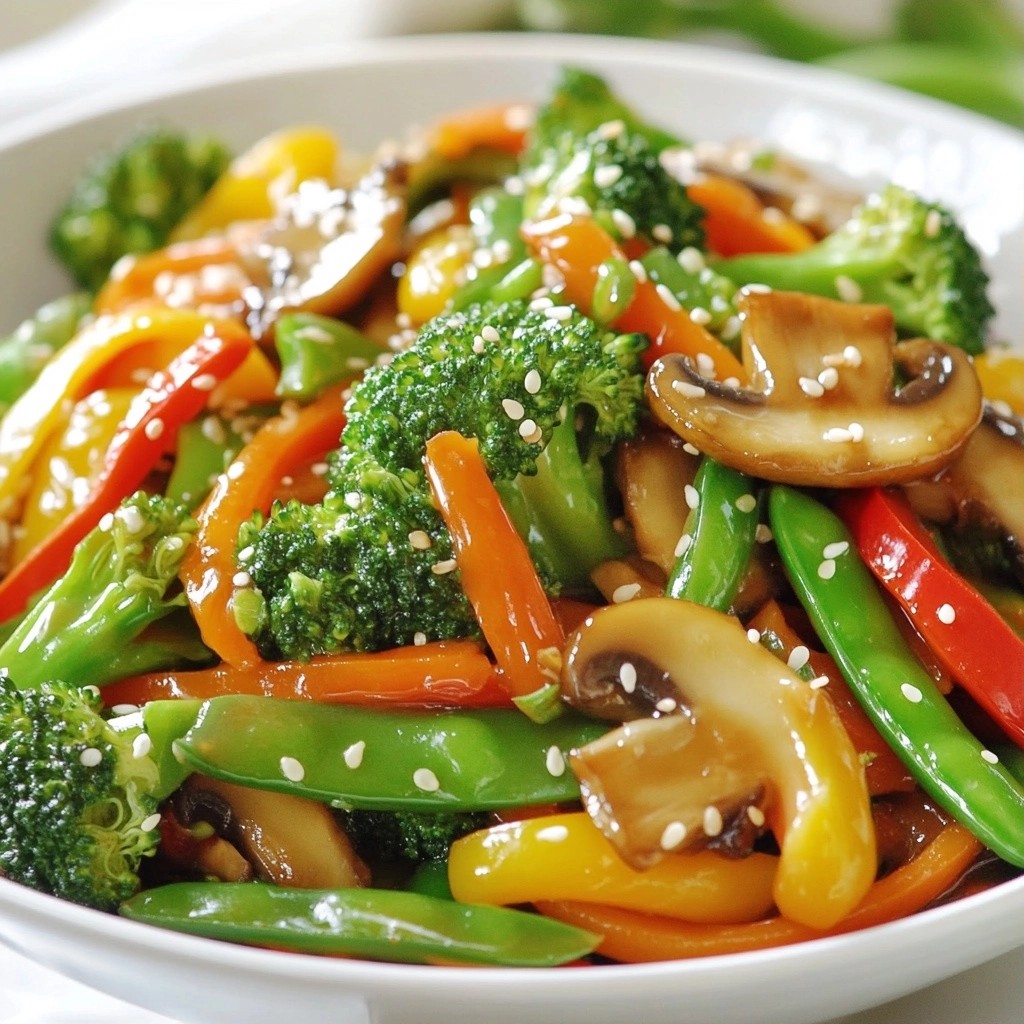

Welcome to my guide on making a delicious and economical Vegetable and Lentil Coconut Curry! This easy recipe not only saves you money but also packs a punch of flavor. With simple ingredients and straightforward steps, you can create a warm, hearty dish the whole family will love. Join me, as I share tips for fresh produce, flavor enhancements, and much more. Let’s get cooking!
Why I Love This Recipe
- Easy to Make: This curry comes together quickly with minimal prep, making it perfect for busy weeknights.
- Healthy and Nutritious: Packed with lentils and vegetables, this dish is high in protein and fiber, making it a wholesome meal.
- Versatile Ingredients: You can easily substitute or add any vegetables you have on hand, making it adaptable to your pantry.
- Flavorful and Satisfying: The combination of coconut milk and spices creates a rich and comforting meal that warms the soul.
Ingredients
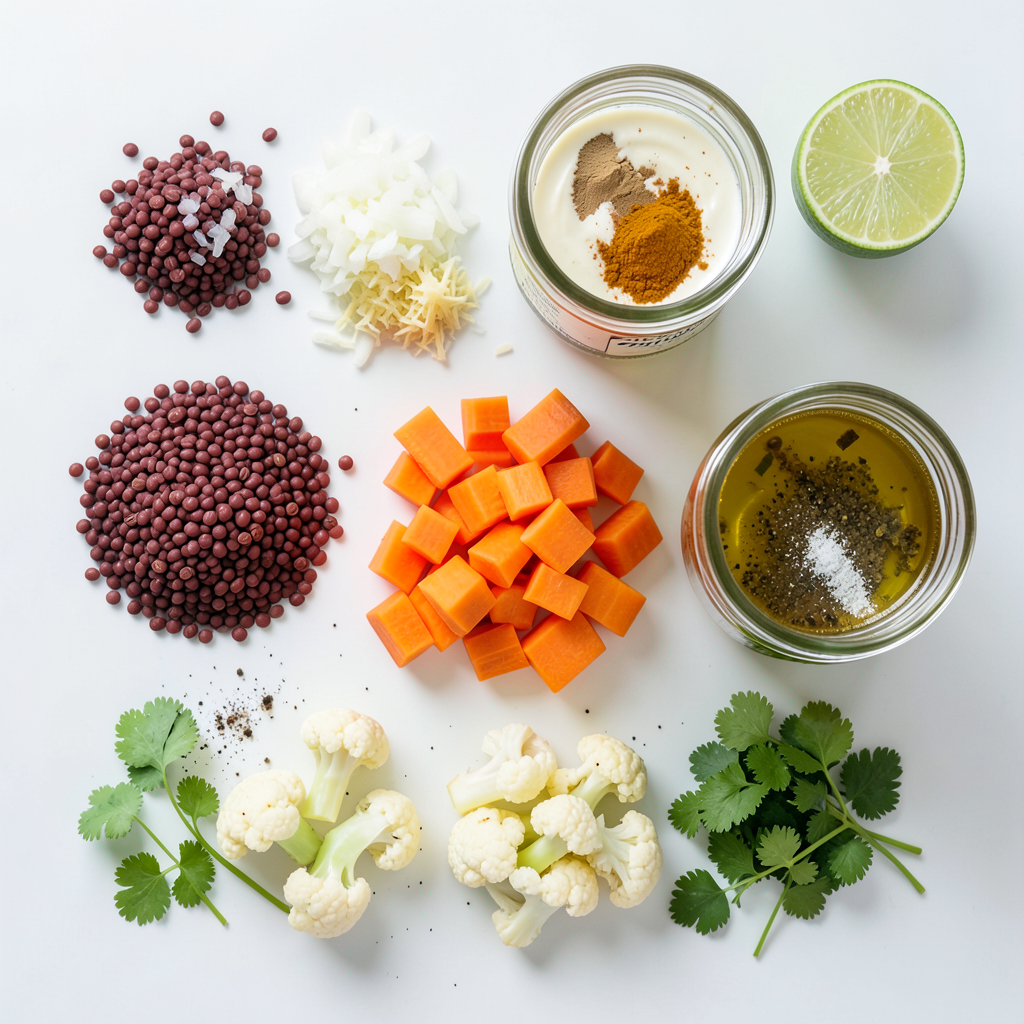
List of Ingredients for Economical Vegetable and Lentil Coconut Curry
To make this delightful curry, gather these ingredients:
- 1 cup red lentils, thoroughly rinsed
- 1 medium onion, finely chopped
- 2 cloves garlic, minced
- 1 tablespoon fresh ginger, grated
- 1 cup carrots, diced into small pieces
- 1 cup bell peppers, diced (any color)
- 1 cup cauliflower florets, chopped
- 1 can (400ml) coconut milk
- 2 cups vegetable broth (low-sodium preferred)
- 2 tablespoons curry powder
- 1 teaspoon turmeric powder
- 1 tablespoon olive oil
- Salt and pepper, to taste
- Fresh cilantro, roughly chopped, for garnish
- Juice of 1 lime
Substitutions and Alternatives
You can switch some ingredients if needed:
- Red lentils: Use green lentils for a nuttier taste.
- Vegetable broth: Water works, but broth adds more flavor.
- Coconut milk: Use almond milk, but the curry will be less creamy.
- Carrots: Sweet potatoes are a great swap for added sweetness.
- Bell peppers: Any fresh vegetable will do, like zucchini or green beans.
Tips for Choosing Fresh Produce
Choosing fresh produce makes a big difference. Here are some tips:
- Onions: Look for firm, dry onions without soft spots.
- Garlic: Choose bulbs that are plump and dry.
- Carrots: Go for bright orange ones that feel crisp.
- Bell peppers: Pick ones with smooth skin and vibrant color.
- Cauliflower: Select heads that are white, compact, and heavy for their size.
Following these tips helps ensure your curry is both tasty and healthy.
Step-by-Step Instructions
Preparation Steps
1. Start by gathering all the ingredients. This makes cooking easier.
2. Rinse the red lentils well under cold water until the water runs clear.
3. Chop the onion finely. Mince the garlic and grate the ginger.
4. Dice the carrots and bell peppers. Chop the cauliflower into small florets.
Cooking Instructions
1. In a spacious pot, heat the olive oil over medium heat.
2. Add the chopped onion and sauté for about 5 minutes until soft.
3. Mix in the minced garlic and grated ginger. Cook for 1-2 minutes.
4. Add the diced carrots, bell peppers, and chopped cauliflower. Stir well.
5. Cook the vegetables for about 5 minutes, stirring occasionally.
6. Sprinkle the curry and turmeric powders over the veggies. Stir to coat.
Making the Curry
1. Pour in the rinsed red lentils, coconut milk, and vegetable broth.
2. Stir gently to mix everything together. Bring to a gentle boil.
3. Once boiling, reduce the heat to low and cover the pot.
4. Let it simmer for 20-25 minutes until the lentils are tender.
5. Stir occasionally to make sure it doesn’t stick to the bottom.
6. After cooking, taste and add salt and pepper as desired.
7. Stir in the lime juice to brighten the flavors before serving.
8. Serve hot, garnished with fresh cilantro for a tasty finish.
Tips & Tricks
How to Enhance Flavor
To boost the flavor of your curry, try these tips:
- Use fresh spices. Fresh spices make a huge difference.
- Add a pinch of sugar. This balances the heat from the spices.
- Squeeze in fresh lime juice. It brightens the taste and adds zest.
- Add a splash of soy sauce. It gives a nice umami touch.
- Experiment with herbs. Fresh cilantro or basil can add a pop of flavor.
Cooking Tips for Perfect Texture
Getting the right texture in your curry is key. Here are some tips:
- Rinse lentils well. This removes excess starch and helps them cook evenly.
- Don’t overcook the vegetables. They should be tender but still have a crunch.
- Stir occasionally. This prevents sticking and helps everything cook evenly.
- Keep the lid on while simmering. It helps retain moisture and cooks the lentils well.
- Adjust cooking time. If you want softer lentils, simmer a bit longer.
Ideal Sides to Serve with Curry
Pairing your curry with the right sides makes it even better. Here are some great options:
- Serve with fluffy rice. It absorbs the sauce and complements the dish well.
- Naan bread is perfect for scooping up the curry.
- Add a simple salad. A fresh salad balances the rich flavors.
- Try yogurt on the side. It cools down the heat from the spices.
- Pickles can add a tangy crunch that pairs nicely with the curry.
Pro Tips
- Use Fresh Spices: Fresh spices will enhance the flavor of your curry significantly. If possible, use whole spices and grind them just before cooking for maximum aroma.
- Adjust the Creaminess: If you prefer a creamier curry, add an extra splash of coconut milk or a dollop of Greek yogurt before serving for richness.
- Incorporate Seasonal Vegetables: Feel free to swap in any seasonal vegetables you have on hand, such as zucchini or spinach, to keep the dish fresh and varied.
- Make it Ahead: This curry tastes even better the next day! Prepare it in advance and store it in the fridge to allow the flavors to meld together.
Variations
Different Vegetable Combinations
You can switch up the veggies in your curry. Use what you have at home. Sweet potatoes add a nice sweetness. Green beans add a lovely crunch. Spinach is great for extra greens. You can also try zucchini, peas, or broccoli. Each veggie brings its own flavor and texture. Experiment with what you like best!
Modifications for Spice Levels
Adjust the spice to fit your taste. If you like it mild, add less curry powder. You can also leave out the turmeric for less heat. For more spice, add a pinch of cayenne pepper or red chili flakes. Fresh chili peppers work well too. Just remember, add a little at a time. You can always add more, but you can't take it out!
Vegan and Gluten-Free Options
This curry is already vegan and gluten-free! The lentils and coconut milk keep it rich and filling. Make sure any broth you use is gluten-free. You can also add tofu or chickpeas for extra protein. If you want a creamier texture, blend a bit of the curry before serving. Enjoy this dish without any worry about allergens!
Storage Info
How to Store Leftovers
Store your leftover curry in an airtight container. Let it cool before sealing. Place it in the fridge. It will keep for about 3 to 4 days. Make sure to label the container with the date. This way, you won’t forget when you made it.
Freezing Tips for Meal Prep
To freeze the curry, let it cool completely. Pour it into freezer-safe bags or containers. Leave some space at the top for expansion. You can freeze it for up to 3 months. When you're ready to eat, you can thaw it in the fridge overnight.
Reheating Instructions
To reheat, you can use the stove or microwave. If using the stove, pour the curry into a pot. Heat it on low, stirring often until warm. If using the microwave, place it in a microwave-safe bowl. Heat it for about 2 to 3 minutes, stirring halfway through. Always check that it's hot all the way through before serving.
FAQs
What can I substitute for coconut milk?
You can use almond milk or oat milk as a substitute for coconut milk. These milks add a nice creaminess but have a different flavor. If you want a richer taste, try cashew cream. Blend soaked cashews with water until smooth. This option gives a nice texture and taste.
How long will the curry last in the fridge?
Your curry will last about 3 to 5 days in the fridge. Make sure to store it in an airtight container. This keeps the flavors fresh. Always check for any signs of spoilage before eating leftovers.
Can I use dried lentils instead of red lentils?
You can use dried lentils, but cooking times will change. Red lentils cook faster and break down well. If using dried lentils, soak them first and cook them longer. Adjust the water and time as needed to achieve the right texture.
This blog post explored making an economical vegetable and lentil coconut curry. We covered essential ingredients, cooking steps, and helpful tips. I shared ways to enhance flavor, perfect texture, and serve it with ideal sides. You can also find variations for spice levels and dietary needs. Finally, I provided storage tips for leftovers.
Now, you have everything you need to cook this delicious dish. Enjoy your creative culinary journey!