
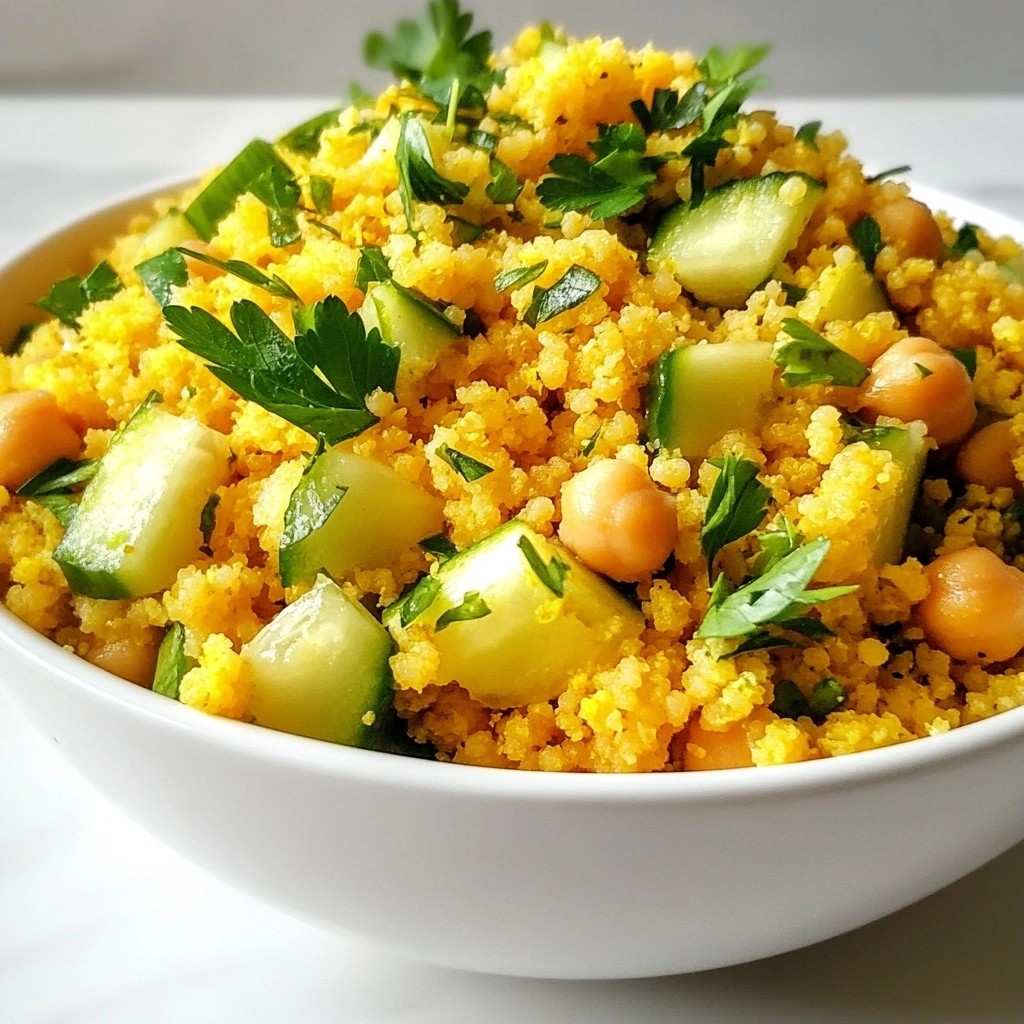
Looking for an exciting dish that won't break the bank? Our Low-Cost Lemon Turmeric Couscous is your answer! Packed with vibrant flavors and healthy ingredients, this recipe is simple to make. In just a few easy steps, you can create a delicious meal that even picky eaters will love. Join me as we explore how to make this tasty dish while keeping costs low and satisfaction high!
Why I Love This Recipe
- Bright Flavor Profile: The combination of zesty lemon and earthy turmeric creates a refreshing and vibrant taste that awakens the palate.
- Quick and Easy: This recipe is ready in just 20 minutes, making it a perfect option for a busy weeknight dinner or a last-minute side dish.
- Nutritious Ingredients: Packed with protein-rich chickpeas and fresh vegetables, this couscous is not only delicious but also healthy and satisfying.
- Versatile Dish: Enjoy it warm or at room temperature, and feel free to customize with your favorite veggies or herbs for added variety.
Ingredients
Complete Ingredient List
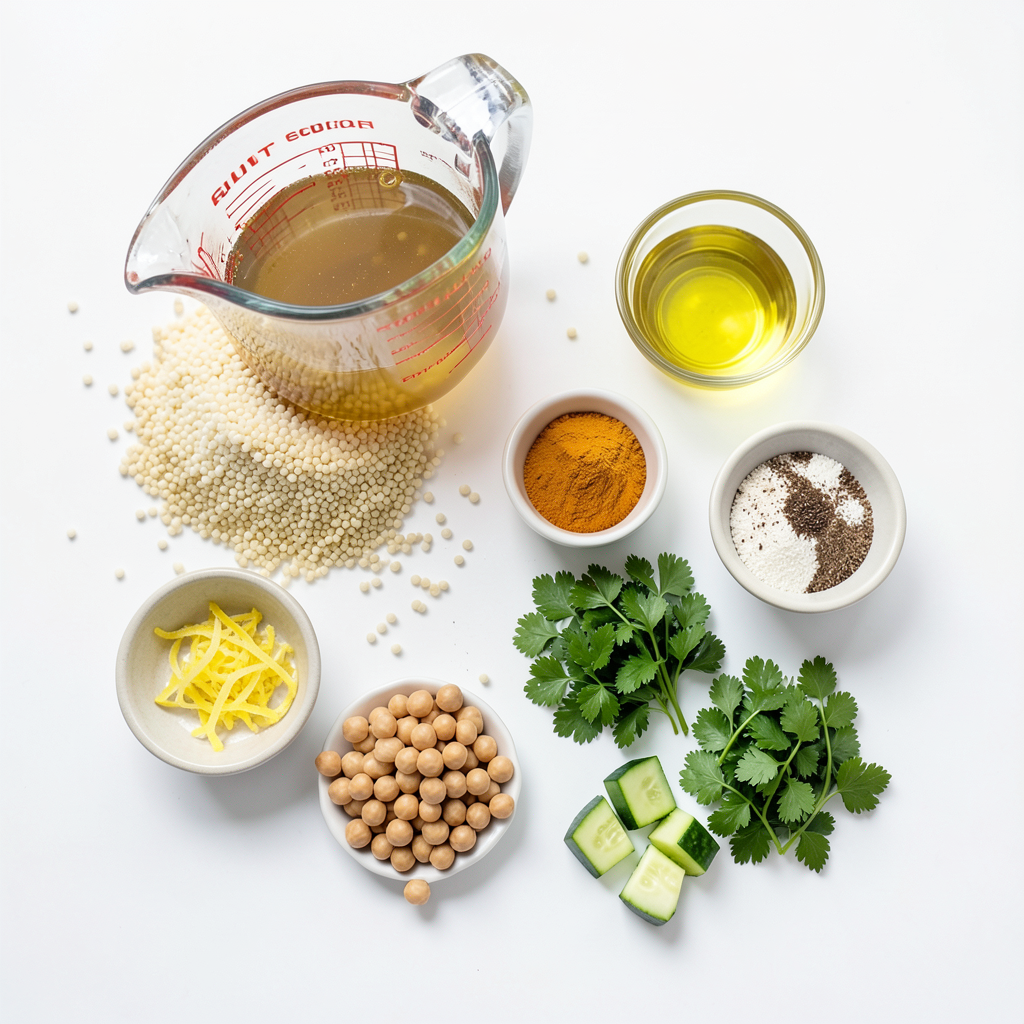
For this low-cost lemon turmeric couscous, gather these items:
- 1 cup couscous
- 1 1/4 cups vegetable broth
- 1 tablespoon extra virgin olive oil
- Zest of 1 large lemon
- Juice of 1 large lemon
- 1 teaspoon ground turmeric
- 1/2 teaspoon garlic powder
- Salt and freshly ground black pepper to taste
- 1/2 cup canned chickpeas, drained and rinsed well
- 1/4 cup fresh parsley, finely chopped
- 1/4 cup cucumber, diced
This list gives you all the flavors you need.
Ingredient Substitutions
You can swap some items if needed. Use water instead of vegetable broth for a lighter flavor. If you don’t have couscous, quinoa works well, too. Olive oil can be replaced with any other oil, like canola or sunflower. Use lemon juice from a bottle if fresh lemons are not available. For a different taste, try adding cumin or paprika instead of turmeric.
Tips for Choosing Affordable Ingredients
When shopping, look for seasonal produce. It’s often cheaper and tastes better. Buy canned chickpeas in bulk; they save money and time. Check local markets for fresh herbs. They can cost less than at grocery stores. Choose store brands for broth and oil to cut costs. Always compare prices per ounce. This helps find the best deals.
Step-by-Step Instructions
Preparing the Broth
Start by boiling the vegetable broth in a medium pot. Set the heat to medium-high. Bring it to a rolling boil. This takes just a few minutes. The broth is the base for your couscous. It will add great flavor.
Adding Seasonings
Once the broth boils, add the ground turmeric and garlic powder. These spices will give the couscous its bright color and taste. Don't forget to add a pinch of salt. Stir well to make sure the spices mix in nicely.
Cooking the Couscous
Next, pour in the couscous. Stir quickly to combine everything. Cover the pot with a tight lid. Turn off the heat and let it sit for about 5 minutes. The couscous will absorb all the tasty broth.
Fluff and Dress
After 5 minutes, take off the lid and fluff the couscous with a fork. This helps to separate the grains. Drizzle the olive oil over the couscous. Then, add the lemon juice and lemon zest. Mix it all together to blend the flavors.
Folding in Extras
Now it's time to add some fun! Gently fold in the rinsed chickpeas, diced cucumber, and chopped parsley. These ingredients add texture and freshness. Taste the couscous and adjust with more salt and black pepper, if needed.
Serving Suggestions
You can serve this dish warm or at room temperature. Choose a large bowl or platter for presentation. Garnish with extra parsley or lemon slices. This adds a nice touch and makes it look appealing. Enjoy your vibrant lemon turmeric couscous!
Tips & Tricks
Best Practices for Cooking Couscous
Cooking couscous is simple. Follow these steps for the best results:
- Use the right ratio of broth to couscous. For this recipe, it's 1 1/4 cups broth to 1 cup couscous. This keeps the couscous moist.
- Bring the broth to a rolling boil. This helps the couscous absorb flavors better.
- Cover the pot tightly after adding the couscous. This traps steam, ensuring even cooking.
- Let it sit for five minutes. This allows the couscous to soak up all the broth.
Enhancing Flavors
To boost flavors in your lemon turmeric couscous, try these tips:
- Use fresh lemon juice and zest. This adds brightness to your dish.
- Experiment with spices. Consider adding cumin or coriander for a warm depth.
- Mix in fresh herbs. Parsley adds freshness, but try mint or cilantro for a twist.
- Add a pinch of salt and pepper. Taste as you go to find the right balance.
Adjusting for Dietary Needs
Make this recipe fit your diet with these adjustments:
- For gluten-free options, use gluten-free couscous or quinoa.
- If you want more protein, add nuts or seeds. Toasted almonds or sunflower seeds work well.
- To make it vegan, ensure all broth and other ingredients are plant-based.
- For lower sodium, use low-sodium broth. You can also reduce added salt.
These tips help you make a delicious, affordable meal that fits your taste and needs. Enjoy your cooking!
Pro Tips
- Use Fresh Ingredients: Always opt for fresh parsley and cucumbers for the best flavor and texture in your couscous.
- Adjust the Seasoning: After mixing in the chickpeas and vegetables, taste the couscous and adjust the seasoning as needed for the perfect balance.
- Experiment with Add-ins: Feel free to add other vegetables, nuts, or dried fruits to customize your couscous dish to your liking.
- Chill for a Refreshing Salad: For a cold couscous salad, let the dish cool down and refrigerate it for at least an hour before serving.
Variations
Gluten-Free Options
If you want a gluten-free version of lemon turmeric couscous, try using quinoa. Quinoa cooks similarly and has a nice, nutty flavor. Just use the same broth and season it like couscous. You can also try rice, but it may change the texture. Both options keep the dish tasty and light.
Vegan Add-ins
This couscous dish is already vegan, but you can add more protein. Try adding tofu or tempeh. Just cube them and sauté until golden. You can also mix in some nuts or seeds for crunch. Sunflower seeds or slivered almonds work well. These add-ins will boost flavor and nutrition.
Seasonal Vegetable Variations
You can change the vegetables based on what’s in season. In spring, add fresh peas or asparagus. In summer, diced bell peppers or zucchini are great choices. In fall, roasted butternut squash or sweet potatoes add a nice touch. Feel free to get creative and make it your own!
Storage Info
How to Store Leftovers
To keep your lemon turmeric couscous fresh, place it in an airtight container. Make sure it cools down to room temperature first. You can store it in the fridge for up to three days. If you want to keep it longer, freezing is a great option.
Reheating Instructions
Reheat the couscous in a pot over low heat. Add a splash of vegetable broth or water to keep it moist. Stir often to prevent sticking. You can also use the microwave. Heat it in a covered bowl for about one to two minutes. Check it often to avoid overheating.
Freezing Couscous
To freeze couscous, first let it cool completely. Then, place it in a freezer-safe bag or container. Flatten the bag to save space. It can last for up to three months in the freezer. When ready to eat, thaw it in the fridge overnight before reheating.
FAQs
Can I use different broth?
Yes, you can use any broth. Chicken broth works great for more flavor. You can also use water if you want a lighter taste. Just keep in mind that using water might make the dish less rich.
How can I make this recipe spicier?
To add some heat, you can mix in red pepper flakes. You might also try adding diced jalapeños or a pinch of cayenne pepper. Start with a small amount, then taste it. You can always add more if you want.
What can I serve with Lemon Turmeric Couscous?
This couscous pairs well with grilled chicken or fish. You can also serve it with roasted vegetables or a fresh salad. It makes a great base for a grain bowl too. Just add your favorite toppings!
Can I prepare this in advance?
Yes, you can make this couscous a day ahead. Store it in the fridge in an airtight container. When ready to eat, just fluff it with a fork. You can enjoy it cold or warm it up on the stove or in the microwave.
In this post, we explored ingredients, instructions, and tips for cooking couscous. You learned how to create a tasty broth, choose substitutions, and enhance flavors. We also discussed variations like gluten-free options and vegan add-ins. Remember, good storage and reheating techniques help keep your meal fresh. Couscous is easy, fun, and can be tailored to your needs. Use the steps and tips shared here to make your dish standout every time. Enjoy your cooking journey!