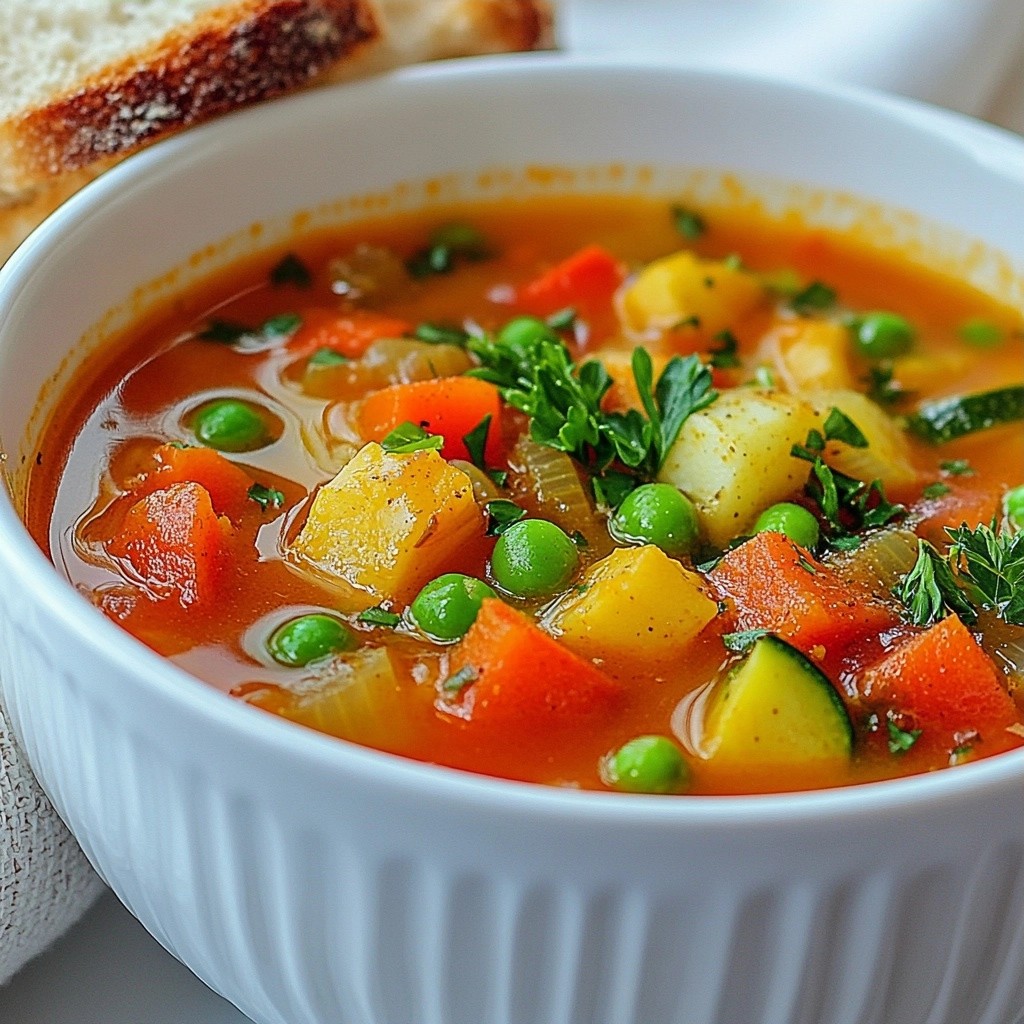
Looking for a tasty meal that won’t break the bank? You’re in the right place! This Low-Cost Spiced Vegetable Soup is simple, healthy, and packed with flavor. Whether you're cooking for one or feeding a family, I’ll guide you through easy steps to whip up this delightful dish. From choosing fresh veggies to customizing spices, you'll create a warm bowl of goodness in no time. Let’s get started on making your new favorite soup!
Why I Love This Recipe
- Fresh and Flavorful: This soup bursts with the vibrant flavors of fresh vegetables and aromatic spices, making it both a comforting and uplifting dish.
- Nutritious and Wholesome: Packed with a variety of vegetables and legumes, this soup is not only delicious but also provides essential nutrients that your body craves.
- Easy to Make: With simple ingredients and straightforward steps, this recipe is perfect for both novice cooks and experienced chefs looking for a quick meal.
- Versatile: This soup can be easily customized with whatever vegetables or spices you have on hand, allowing for endless variations and creativity in the kitchen.
Ingredients
Essential Ingredients for Low-Cost Spiced Vegetable Soup
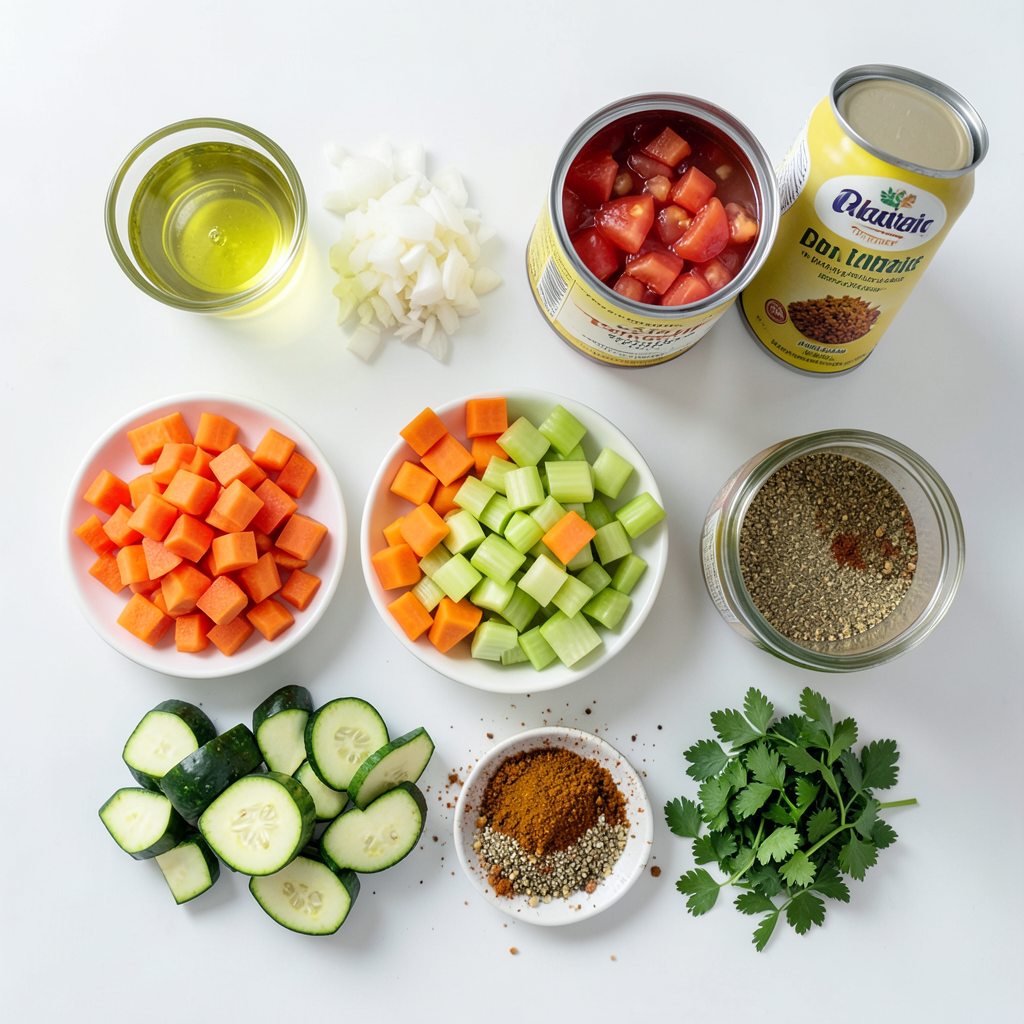
To make this soup, you need some basic items:
- 2 tablespoons extra virgin olive oil
- 1 medium onion, finely diced
- 2 cloves garlic, minced
- 2 medium carrots, peeled and diced
- 2 celery stalks, diced
- 1 bell pepper (any color), diced
- 1 medium zucchini, diced
- 1 can (14 oz) of diced tomatoes, undrained
- 4 cups vegetable broth
- 1 teaspoon ground cumin
- 1 teaspoon smoked paprika
- ½ teaspoon turmeric powder
- ½ teaspoon chili powder
- Salt and black pepper to taste
- 1 cup frozen peas
- Fresh parsley, chopped, for garnish
These ingredients create a rich and hearty flavor. The spices add warmth and depth.
Optional Ingredients to Enhance Flavor
Feel free to add these items to make your soup even better:
- A squeeze of lemon juice for brightness
- Fresh herbs like basil or thyme for extra flavor
- A pinch of red pepper flakes for heat
- A handful of spinach or kale for more greens
These optional ingredients can boost the taste and nutrition of your soup.
Common Substitutes for Dietary Preferences
If you need to change some ingredients, here are some easy swaps:
- Use coconut oil instead of olive oil for a different flavor.
- If allergic to garlic, use shallots for a milder taste.
- Swap vegetable broth with chicken broth if not vegetarian.
- For a low-sodium option, choose low-sodium broth or make your own.
These substitutes allow you to adjust the soup to fit your needs. Enjoy making it your own!
Step-by-Step Instructions
Preparing the Flavors: Sautéing the Base
Start by heating 2 tablespoons of extra virgin olive oil in a large pot over medium heat. Wait until it shimmers. Then, add 1 medium onion, finely diced. Sauté for about 3-4 minutes. You want the onion to turn soft and clear. Next, stir in 2 cloves of minced garlic. Cook for 1 minute, stirring often to keep it from burning. The garlic should smell great at this point.
Adding Vegetables: Building the Soup
Now, it’s time to bring in the veggies. Add 2 diced carrots and 2 diced celery stalks to the pot. Stir well and cook for about 5 minutes. This helps the flavors mix. Add 1 diced bell pepper and 1 diced medium zucchini next. Sauté these for another 3 minutes until they start to soften.
Simmering to Perfection: Cooking for Flavor Fusion
Pour in 1 can of undrained diced tomatoes and 4 cups of vegetable broth. Make sure to mix everything well. Season with 1 teaspoon of ground cumin, 1 teaspoon of smoked paprika, ½ teaspoon of turmeric powder, and ½ teaspoon of chili powder. Sprinkle in salt and black pepper to taste. Bring the soup to a gentle boil, then reduce the heat to low. Let it simmer uncovered for 15-20 minutes. This step helps all the flavors blend perfectly.
In the last 5 minutes, add 1 cup of frozen peas. Stir to mix them in. Taste your soup and adjust the seasoning if needed. Once done, take the pot off the heat and let the soup cool a bit before serving.
Tips & Tricks
How to Choose Fresh Vegetables on a Budget
When you shop for vegetables, look for bright colors. Choose firm veggies with no blemishes. Check for freshness by gently squeezing. If it feels soft, skip it. Visit local markets for better prices. Seasonal produce usually costs less and tastes great. Always compare prices at stores before buying. Buying in bulk can save money, too.
Best Practices for Storing Leftovers
Store your soup in airtight containers. Glass jars work well and are safe for the fridge. Divide soup into smaller portions for easy reheating. Let the soup cool before sealing the lid. If you plan to eat it later, freeze it. Use freezer-safe containers to avoid spills. Label your containers with the date. Leftover soup usually stays good for up to four days in the fridge.
How to Adjust Spices for Different Palates
Start by adding spices little by little. Taste your soup after each addition. If someone likes heat, add more chili powder. For milder flavors, reduce the spices. You can also swap spices based on what you have. If you don’t like cumin, try coriander instead. Always remember, you can add but can’t take away. Enjoy experimenting to find your favorite mix!
Pro Tips
- Use Fresh Ingredients: Whenever possible, opt for fresh vegetables over frozen ones for a more vibrant flavor and texture.
- Adjust the Spices: Feel free to experiment with the spices according to your taste preferences; add more chili powder for heat or more cumin for earthiness.
- Make it a Meal: Add cooked grains like quinoa or brown rice to the soup for a heartier dish that can serve as a main course.
- Storage Tips: This soup stores well in the refrigerator for up to 3 days or can be frozen for up to 3 months; just make sure to cool it completely before freezing.
Variations
Vegetarian and Vegan Options
This soup is already vegetarian and vegan. Use vegetable broth instead of chicken broth. All the vegetables are plant-based. You can add more beans or lentils for extra heartiness. Try chickpeas or black beans for added protein. They also make the soup filling.
Gluten-Free Adjustments
This soup is naturally gluten-free. Just make sure your vegetable broth is gluten-free. Most store-bought broths are, but always check labels. If you want to thicken the soup, use cornstarch or a gluten-free flour blend.
Suggestions for Protein Additions
If you want more protein, add cooked beans or lentils. They blend well with the soup. You can also add tofu or tempeh for a nice texture. For meat lovers, diced chicken or sausage works great. Just cook the meat first before adding it to the pot. This will give your soup a richer flavor.
Storage Info
How to Store Leftover Soup Properly
To store leftover spiced vegetable soup, let it cool first. Use airtight containers to keep the soup fresh. Divide the soup into smaller portions, making it easy to grab later. You can store it in the fridge for up to three days. Always label your containers with the date. This way, you remember when you made it.
Reheating Instructions
Reheating your soup is simple. Pour the soup into a pot and heat it on medium. Stir it often to prevent sticking. You can also use the microwave. Place the soup in a microwave-safe bowl. Heat it in short bursts, stirring in between. Make sure it gets hot all the way through.
Freezing the Soup for Future Meals
Freezing is a great way to save extra soup. Use freezer-safe containers or bags. Leave some space at the top, as the soup will expand when it freezes. Label each bag with the date and contents. Your soup can last up to three months in the freezer. When you want to eat it, just thaw it overnight in the fridge before reheating. This keeps the flavor fresh and tasty!
FAQs
Can I use frozen vegetables instead of fresh?
Yes, you can use frozen vegetables. They are just as good as fresh ones. Frozen veggies save time and are often cheaper. They keep the nutrients locked in, so you won’t lose any health benefits. Just add them to the pot the same way you would fresh vegetables. You may need to cook them a bit longer to ensure they are tender.
How can I make this soup spicier?
To spice up your soup, add more chili powder. Start with an extra ½ teaspoon and taste it. You can also include sliced jalapeños or hot sauce for more kick. If you want a smoky flavor, increase the smoked paprika. Always taste as you go. This way, you can find the perfect heat level for your taste.
What are some good side dishes to serve with this soup?
This soup pairs well with crusty bread or a fresh salad. You could also serve it with grilled cheese sandwiches for a classic combo. For a lighter option, try a cucumber salad. Each of these sides can make your meal more filling and enjoyable. Feel free to mix and match!
You now have all the steps to make a low-cost spiced vegetable soup. We covered key ingredients, simple cooking methods, and smart tips. You can adapt the recipe to fit your taste and dietary needs. Remember, fresh veggies make a big difference. Keep any leftovers safe for later, and don't hesitate to get creative with spices. Enjoy making this soup again and again!